Families rarely plan for memory loss. It comes slowly, in repeated questions and misplaced bills, or suddenly after a hospitalization. Either way, the decisions that follow feel weighty. You want a setting that preserves dignity and daily rhythm while protecting health. You want the right kind of help without stripping away autonomy. That balance sits at the heart of the choice between assisted living and memory care.
I have walked this path with hundreds of families. The best outcomes happen when we match a person’s abilities and risks to the environment built for them, not when we force them into a generic label called “senior living.” The differences between care levels are real, but so are the gray areas. Understanding them will save you time, money, and heartache.
What assisted living really provides
Assisted living is designed for older adults who can still direct their day but need help with specific tasks. Think of a retired teacher who no longer wants to cook every meal, or a widower whose arthritis makes bathing risky. In most assisted living communities, residents live in private apartments, choose their own schedules, and participate in activities when it suits them. Staff assist with daily needs like bathing, dressing, toileting, grooming, medication reminders, and meal service. The community handles housekeeping, laundry, and building maintenance. Most have a nurse on site part of the day and on-call at night.
Assisted living is licensed at the state level, so details vary, but one common thread is emphasis on independence. The building layout looks residential, not clinical. Doors are not locked between units and common areas. Activity calendars span everything from tai chi to book clubs to day trips. A resident might need help fastening buttons in the morning yet drive to see friends in the afternoon. That flexibility is the point.
This setting suits people who are oriented to time and place and can make safe decisions about their environment. A woman with mild cognitive impairment may repeat herself and need medication management, but if she remembers how to find her apartment and can use a call pendant in an emergency, assisted living typically supports her well.
Where assisted living strains is with persistent exit-seeking, frequent confusion in new settings, significant wandering, resistance to bathing or care, or behavioral changes like sundowning that rise late in the day. Even the most patient staff cannot override a building design meant for independence. A friend’s father, a marathoner in his 70s with early Alzheimer’s, thrived in assisted living for eight months. When he started leaving the building to “get to the airport,” the balance tipped. The staff were caring, but doors that aim to be welcoming also open easily.
Memory care is different by design
Memory care communities, sometimes called special care units, are built for people living with Alzheimer’s disease, Lewy body dementia, vascular dementia, frontotemporal degeneration, and other cognitive disorders. They do not just add locks to an assisted living floor. The model changes.
Environments are purpose-built to reduce confusion and improve safety. Hallways are shorter, with visual cues and color contrast to help navigation. Courtyards are enclosed so residents can be outdoors without risking elopement. Lighting is warmer and more even to reduce shadows that can trigger anxiety. Background noise is managed. Some communities use aroma and music therapies in common areas, not as novelties but as daily regulation tools.
Staff training deepens. Good memory care teams train in dementia-specific approaches like validation, redirection, and the Positive Approach to Care. Care plans anticipate patterns, not just tasks. If a resident tends to become agitated at 4 p.m., the team structures late afternoons with familiar routines and one-on-one engagement. Medication support usually grows, because timing matters more when mood stabilizers, sleep aids, or cholinesterase inhibitors are in the mix.
Security is discreet but firm. Exterior doors are alarmed and often require key codes. Some communities use wearable location devices. That can sound restrictive, but the alternative is unsupervised risk. A locked perimeter can mean freedom within the campus: walking paths, gardens, even woodworking rooms designed without sharp tools.
Programming shifts from calendars to rhythms. Activities are not just entertainment, they are therapy. A well-run memory care unit layers sensory experiences throughout the day: short social visits in the morning, purposeful tasks after lunch, quiet re-centering late afternoon, and sleep hygiene in the evening. You’ll see life stations that echo past roles, like an office nook with papers to sort or memory care a nursery corner with dolls. The goal is not childish play, it’s tapping muscle memory and identity. I watched a former seamstress calm instantly when handed a basket of fabric to fold. She wasn’t being distracted, she was being herself.
Memory care also carries a wider safety net. Many units can manage residents who need two-person transfers, have high fall risk, or display behavioral expressions like pacing, rummaging, or occasional aggression. Not every unit can support every behavior, especially if there is consistent violence, but the threshold for what is “manageable” is higher than in assisted living.
When the line blurs
Families often ask for a litmus test: When does assisted living stop being safe? There is no single measure, but patterns point the way.
If a resident frequently leaves personal care areas unattended, forgets why they are in the dining room, or gets lost from their apartment to the elevator, we pay attention. If they walk into other residents’ rooms or disrobe in public, staff can redirect, but repeated incidents with poor insight into the behavior suggest a memory care environment will be calmer for everyone.
Medication safety is another indicator. Missing one dose is common. Missing several, double-dosing, or refusing lifesaving medications despite repeated coaxing calls for more structured oversight. Falls tell their own story. A single mechanical fall is not a crisis. Falls that cluster, especially with confusion or postural instability, require closer supervision than most assisted living floors provide.

There is also caregiver strain to consider. In many assisted living communities, families fill the gaps: they come daily to cue showers, organize closets, or escort their loved one to meals. That partnership can work for months. It falters when the family becomes the de facto memory care team. If you spend most visits de-escalating or searching for your loved one on campus, the setting is wrong.
The human cost of waiting too long
Delaying a move can feel kind, but it often backfires. We once admitted a retired engineer to memory care two weeks after he eloped from assisted living and was found miles away, dehydrated. His daughter felt she had failed him by agreeing to a locked unit. Within days, he settled into a routine of walking the interior loop six or seven times each morning, then sitting near the window to “watch the site.” He was not less independent, he was safer to be independent.
Moves made after a crisis are harder on the person with dementia. Emergency transitions mean unfamiliar faces, new medications to manage behaviors, and fewer chances to personalize the room before move-in. A planned move lets you bring familiar furniture, rehearse the route to the dining room, and build trust with staff. That preparation preserves dignity.
Cost and value, not just price
Costs vary by region and by community. A reasonable national range for assisted living before care levels is often 3,500 to 6,500 dollars per month, with care add-ons of a few hundred to a few thousand depending on needs. Memory care typically runs 20 to 40 percent higher than assisted living in the same campus, commonly 5,000 to 9,000 dollars monthly. Some communities bundle all memory care services into a single rate; others tier care levels.
Families sometimes try to stretch a budget by keeping someone in assisted living with private caregivers supplementing. That can work when the needs are predictable and the risks manageable. It can also cost more than memory care once you add 8 to 12 hours a day of private duty support. Run the numbers honestly. Include overnight risks, transportation to appointments, and the family’s own time. A care manager I work with likes to ask, What are you buying with this extra month? If the answer is only delay, not quality, reconsider.
Long-term care insurance often reimburses for both assisted living and memory care if the policy’s benefit triggers are met, usually needing help with two or more activities of daily living or having cognitive impairment that requires supervision. Veterans and surviving spouses may qualify for Aid and Attendance benefits. Medicaid can help in some states, but access is uneven. Ask specific questions about memory care Medicaid availability, not just assisted living, because licensure types differ.
Safety without stripping autonomy
Independence is not all or nothing. The best senior care communities calibrate. They give residents choices within safe bounds. In assisted living, that might mean a kitchenette with a microwave but no stove if cooking is risky, or medication in bubble packs with staff reminders rather than full self-administration. In memory care, that can look like a locked exterior door paired with unlocked garden gates inside the unit, or a shadow box outside each room filled with personal photos and mementos to cue recognition.
Language matters as much as architecture. Staff who ask, Do you want a shower? often get a no. Staff who say, It’s time to freshen up before breakfast and then offer a warm washcloth get better outcomes. That is not coercion, it is adapting to a brain that struggles with open-ended choices. Dignity grows when frustration falls.

Families also preserve autonomy by honoring preferences that still fit. If your mother loves early coffee, coordinate with staff to bring it at 6:30 a.m. instead of imposing a 9 a.m. dining schedule. If your father wears button-downs and a watch daily, make sure those items are labeled and in his room. Personal routines form the backbone of identity, and identity anchors behavior.
Staffing and training make or break the experience
A pretty building can hide poor care. What matters most is staffing structure and culture. Ask how many caregivers are on duty per shift and how many residents they cover. Ratios vary, but memory care should staff more generously than assisted living, especially evenings and nights when behaviors spike and falls increase. Ask how many team members are fully trained in dementia care, not just oriented. Training is not a one-time video. Look for ongoing sessions, practice labs for safe transfers, and coaching on behavioral approaches.
Watch a shift change. Do staff know resident preferences without reading a chart? Do they use calm tones and simple sentences? When a resident repeats a question, do they answer as if for the first time, or do they correct and scold? Culture shows in these moments. I look for managers on the floor, not only in offices. A leadership team that knows residents by name and story responds faster when needs change.
Nursing coverage is another difference. Assisted living often has nurses during the day and on-call at night. Many memory care units have nurse coverage across more hours, sometimes 24/7, particularly in larger communities. If your loved one has complex health needs like diabetes with insulin, Parkinson’s disease with fluctuating mobility, or seizure disorders, ask whether the unit can manage those conditions. Some can, some cannot.
How respite care lowers the stakes of the decision
Respite care offers a trial period, typically 7 to 30 days, where a person stays in assisted living or memory care short-term. It gives exhausted family caregivers a break and, just as important, tests the fit. Respite can be the difference between guessing and knowing.
In my practice, families who tried a two-week memory care respite for a spouse with moderate dementia reported clearer outcomes. Some saw dramatic improvement in sleep once routines stabilized and nonstop watching fell off their shoulders. Others realized the person was still too independent and preferred the freedom of assisted living with a companion aide for select hours. Respite is also a good way to see whether the activity program truly engages someone. Ten minutes of art therapy on a tour tells you little. A week of sessions shows patterns.
Respite stays tend to cost a daily rate that includes furnishings, meals, and care. Availability can be limited during peak seasons, and some communities require a minimum stay. If you sense a crisis approaching, don’t wait to ask. Keep a short list of communities that do respite with open rooms, and update it every few months.
Senior living is not a single product
People often treat senior living as a ladder: independent living first, then assisted living, then memory care, and finally skilled nursing. Real life zigzags. A person with mild dementia may move directly into memory care to avoid two transitions. Another may live in assisted living for years and never need memory care. Someone recovering from a stroke might spend 30 days in a rehab facility, return to assisted living with therapy, and later transfer to memory care when vascular dementia progresses.
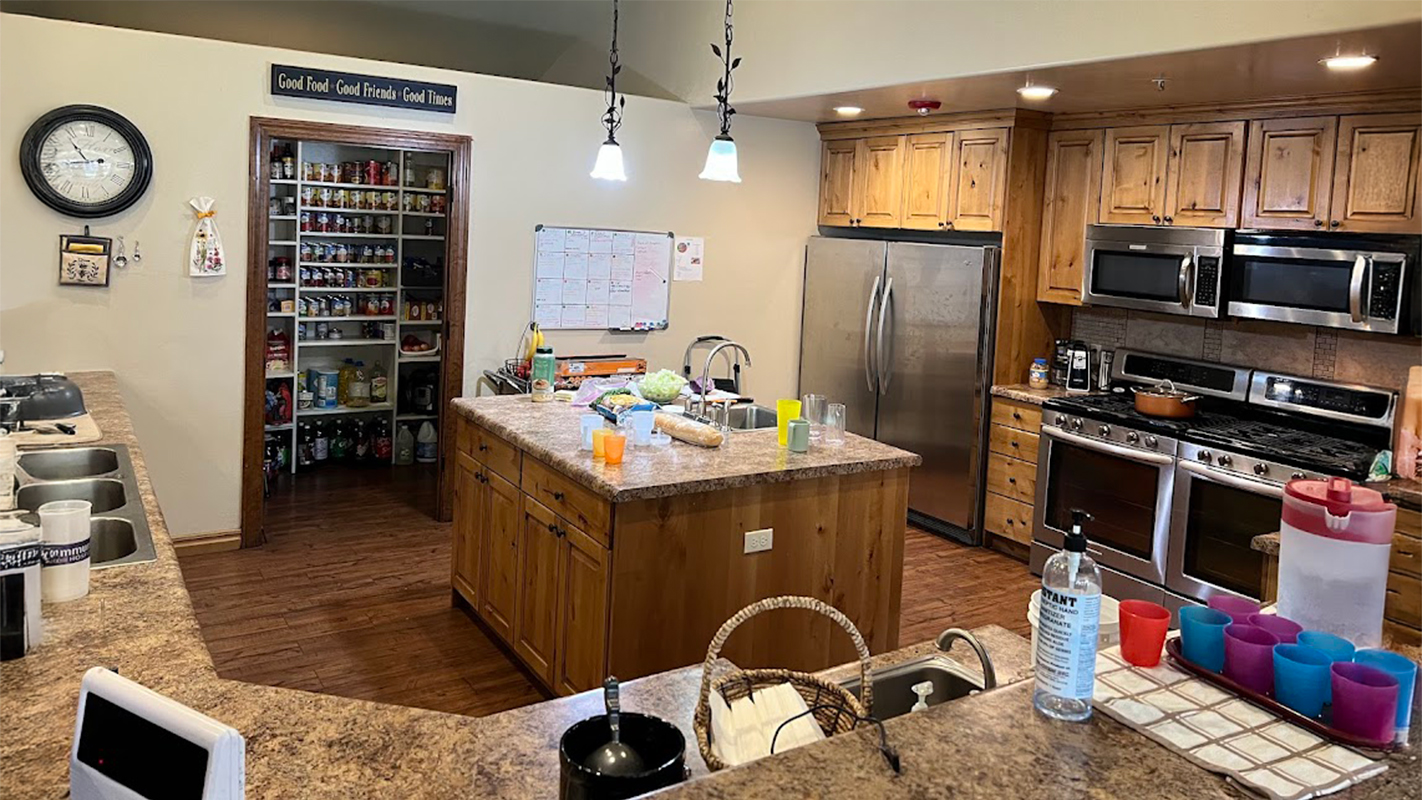
What matters is the match between setting and needs at each stage. Good operators know this. They conduct assessments at move-in and adjust service plans as abilities change. The best will tell you when their setting no longer fits. Be wary of communities that promise to “age in place” without limits. No one can guarantee that safely.
The social fabric matters as much as the care plan
Loneliness accelerates decline. That is not opinion, it’s borne out in decades of research connecting social isolation with worse health outcomes. One reason assisted living can work well is the ease of community: meals shared, hallway chats, informal clubs. When memory changes make those interactions hard, memory care replaces peer conversation with simplified social contact and one-on-one time. The goal shifts from verbal exchange to shared presence.
Pay attention to how staff and residents interact. I visited a memory care unit where team members sang softly while passing medications and folded laundry at a communal table so residents could join in. No one felt managed. In another building, the television blared in every common room all day. Staff huddled at the desk. Residents wandered or dozed. The care plans on paper looked similar. The experience did not.
Family involvement also shapes the social climate. Some communities have regular family education nights, support groups, and open invitations to activities. Others treat families as visitors rather than partners. The first model reduces conflict and burnout. If you expect to be involved, say so, and look for staff who welcome collaboration.
Safety features that actually help
Too many communities tout features that sound good on tours but rarely help in daily life. Others invest in simple elements that change everything. Run your own mental checklist as you evaluate options:
- Clear sightlines from staff stations to common areas, so wandering is noticed early, not after a resident slips through a side door. Purposeful outdoor space that is truly usable: level paths, shade, seating with arms for safe rises, and secured gates that look like garden features rather than prison doors. Wayfinding cues at eye level: color-contrasted room numbers, memory boxes with personal items outside doors, and consistent, legible signage. Bathrooms designed for cueing: towels in obvious view, lever handles, and shower controls positioned where water does not hit immediately to reduce fear. Thoughtful soundscapes: carpet or acoustical tiles where possible, soft-close doors, and music used intentionally rather than television filling silence.
These are not luxuries. They reduce falls, agitation, and caregiver stress. They also tell you the operator has thought about daily reality, not just brochure photos.
Planning the move with dignity
Moves succeed or fail in the details. People living with dementia read your emotions fluently even when words fail. If family members argue during packing, the person senses loss, not safety. Aim for calm and familiarity. Move favorite furniture if possible: the well-worn recliner, the quilt from a family member, the wedding photo on the dresser. Stock the closet with duplicates of preferred outfits to make choices easier. Label everything discreetly. People who do not think they will wander still misplace items during transitions.
Avoid big farewell parties. They often overwhelm. Instead, visit the new community together a few times. Share a meal in the dining room. Sit in the garden you will use. On move day, keep the explanation simple and repeatable. We’re staying here for a while so the team can help with meals and make sure you’re comfortable. Lengthy rationales invite argument.
Give the staff your loved one’s history: hobbies, career, joys, triggers, foods they love, foods they hate, and what calms them. A one-page “All About Me” sheet works better than a binder. The best teams post that sheet discreetly for quick reference. It helps a third-shift caregiver who has never met your mother to greet her like an old friend.
How to choose when both options seem viable
Sometimes both assisted living and memory care could work. A man with early Alzheimer’s who is physically robust, social, and mostly oriented might enjoy assisted living for another year, especially with medication management and a companion for appointments. A woman with mild dementia who experiences intense anxiety in crowds may find the quieter, more predictable rhythm of memory care comforting sooner than her cognitive testing would suggest.
In situations like these, ask two questions. First, where will stress be lowest, for the resident and for those who love them? Second, what setting can flex up or down with the fewest disruptions? If a community offers both assisted living and memory care in the same building, a move between them later is simpler. If you choose assisted living now, ensure there is a clear plan to transition if needs change and that a memory care room will be available, not waitlisted indefinitely.
I have seen both strategies work. One couple chose assisted living with a day program in the community’s memory care for structured hours. It gave the wife breathing room and the husband engagement with peers at his speed. Another family moved their mother directly to memory care when wandering began. She stopped trying to get to “the office” because the environment had tasks that felt like work. She relaxed.
The role of primary care and specialty clinicians
Doctors and nurse practitioners can be allies in level-of-care decisions, especially when they know the person well. Ask for a practical assessment, not just a cognitive score. Montreal Cognitive Assessment or Mini-Mental State scores are data points, not destinies. A 20 out of 30 can mean many things depending on functional abilities and insight. Clinicians can also adjust medications that worsen confusion, like certain sleep aids, anticholinergics, or benzodiazepines. Reducing those may buy time in assisted living or stabilize behaviors in memory care.
Neurologists and geriatric psychiatrists add value when behaviors complicate care. If a community insists on medication changes before admission, push for a plan grounded in evidence. Avoid loading people with sedatives to achieve artificial calm. That quiet often comes at the cost of falls and loss of mobility. Targeted, minimal medications plus environmental strategies usually work better.
After the move: what good care looks like
Within two weeks of a move, you should notice patterns of engagement and calm. Not perfection, not constant happiness, but fewer crises. Meals are eaten without battles most days. Sleep consolidates. Falls do not vanish, but staff anticipate high-risk times and adjust. If things feel off, schedule a care plan meeting with the nurse and the care director. Bring specific observations. Instead of “Mom is more confused,” try “Mom is more agitated between 3 and 5 p.m., and she has stopped attending morning exercise.”
Good communities adjust quickly: change seating in the dining room to calmer corners, offer finger foods if utensils are frustrating, shift shower times to when a resident is most receptive, and rotate staff to match personalities. They communicate openly. You hear from them before you call when something significant happens. If you face silence, push. If silence continues, consider whether the culture fits your standards.
A word on guilt and permission
Families often whisper the same fear: If I choose memory care, am I giving up? The honest answer is that memory care exists because dementia rewires how people interact with their environment. You are not taking something away, you are trading a set of risks you cannot control for a structure that can absorb them. The metric is not “Did we keep them home or in the least restrictive setting the longest?” The metric is “Did we keep them themselves as long as possible?”
Give yourself permission to re-evaluate. What works in February may not work in August. Illness, hospitalization, grief, and progression all change the equation. The right decision six months ago is not wrong today. It is simply past tense.
A concise comparison you can keep in your pocket
- Assisted living prioritizes independence with support for daily tasks and social connection. Best for seniors who can make safe choices, manage with cueing, and do not wander persistently. Memory care prioritizes safety and predictability with dementia-specific environments and training. Best for seniors with significant memory loss, behavioral changes, wandering, or poor safety awareness. Costs overlap but memory care usually runs higher due to staffing and security. Private caregivers can bridge gaps but may exceed memory care costs if needs grow. Respite care provides a low-risk trial and critical relief for families. The right choice reduces stress and preserves identity. Reassess as needs evolve.
Closing the gap between need and setting
Choosing between assisted living and memory care is not about admitting defeat. It is about matching a person’s abilities and risks to a place built for them, then fine-tuning that match as life unfolds. That is the heart of senior care: practical safety wrapped around daily life, so the person still feels like themselves. When you find that balance, you recognize it. Meals stop being battlegrounds. Conversations warm. You visit as a son, daughter, spouse, or friend again, not only as a vigilant caregiver. And the person you love has room to be more than their diagnosis.
If you are on the fence, start with respite. Visit during evenings, not just morning tours. Watch handoffs between shifts. Listen for laughter. Trust what you see sustained over time. Independence and safety are not rivals, they are partners. The task is to choose the setting where they can both show up, day after day, in the most ordinary, humane ways.
BeeHive Homes Assisted Living
Address: 2395 H Rd, Grand Junction, CO 81505
Phone: (970) 628-3330